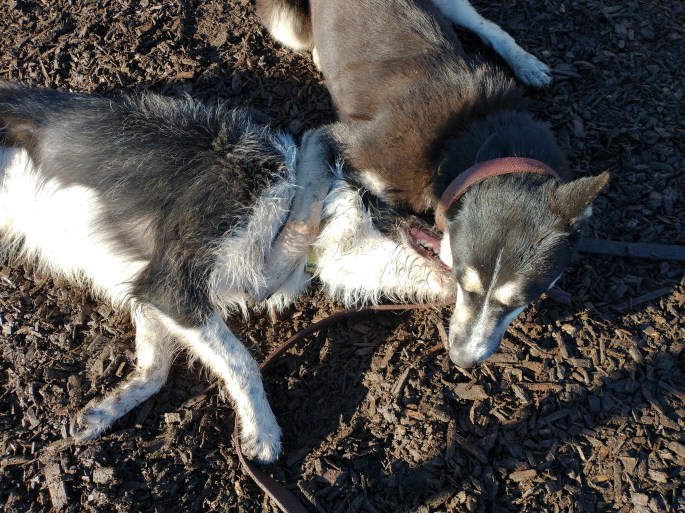
Dogs at play!

I have volunteered at Whatcom Humane Society for almost twenty years, and have always loved walking and training the dogs, but a year ago, Laura Clarke, executive director, brought Dogs Playing for Life to the shelter. That changed everything!

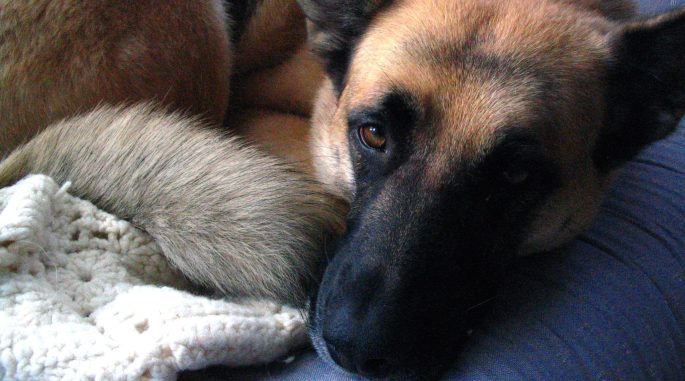
For me, dogs playing with dogs was a joy to watch–until we adopted Vera, our dog-reactive German shepherd. Experiencing her unpredictable lightning-swift attacks on her beloved sisters, and dealing with the physical and emotional fallout after these rare occurrences, kept us on edge for the duration of the dogs’ six years together, and it ruined my enjoyment of dogs playing with dogs–until Dogs Playing for Life came to WHS.

Dogs Playing for Life is a non-profit organization. Their trainers tour North America teaching shelters how to safely have dogs of any breed and any background play together. By understanding play styles, gender preferences, and canine relationships, serious conflict is kept to a minimum. They teach handlers how to use a few low impact “tools” (spray bottle, shaker bottle, and airhorn) when absolutely necessary to help guide the dogs into making good decisions. Handlers are also taught how to break up the rare fight should it occur.
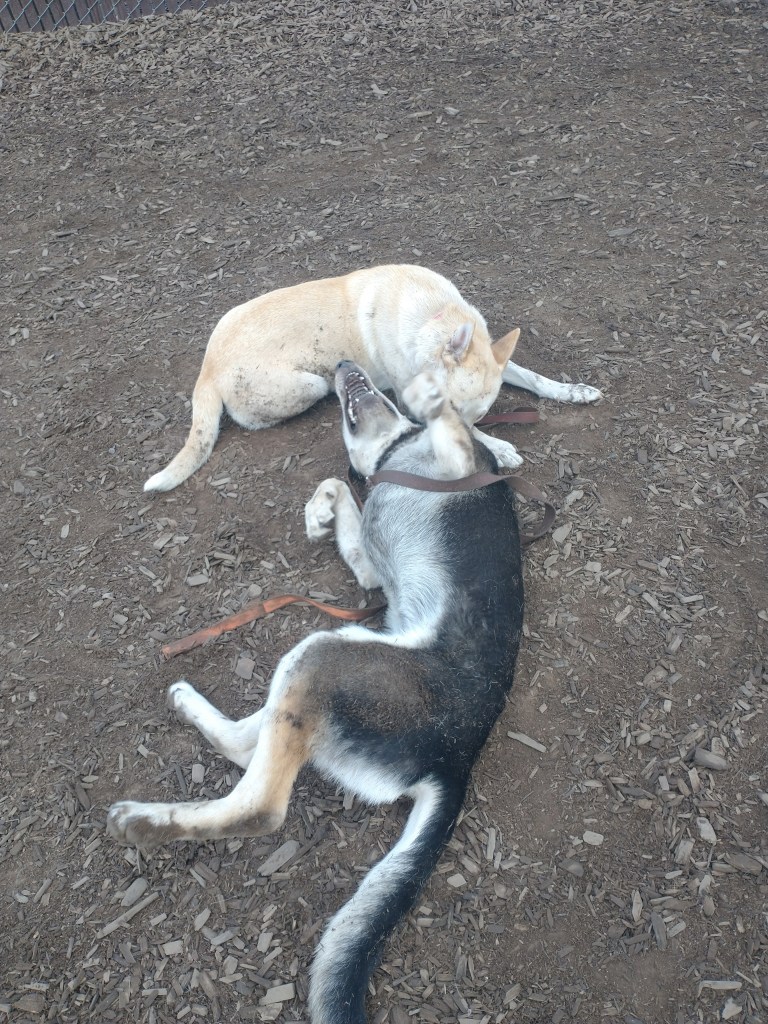
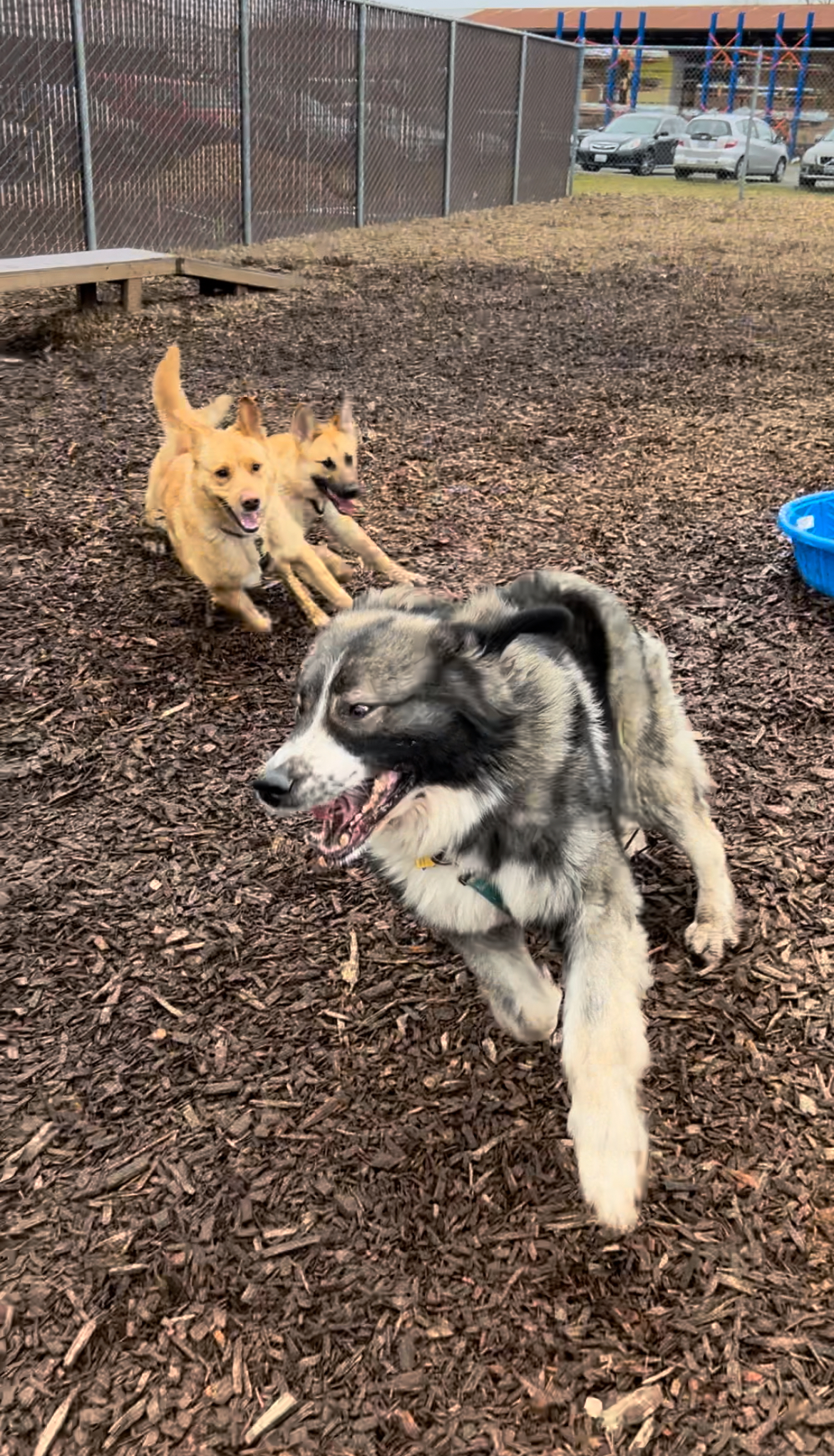
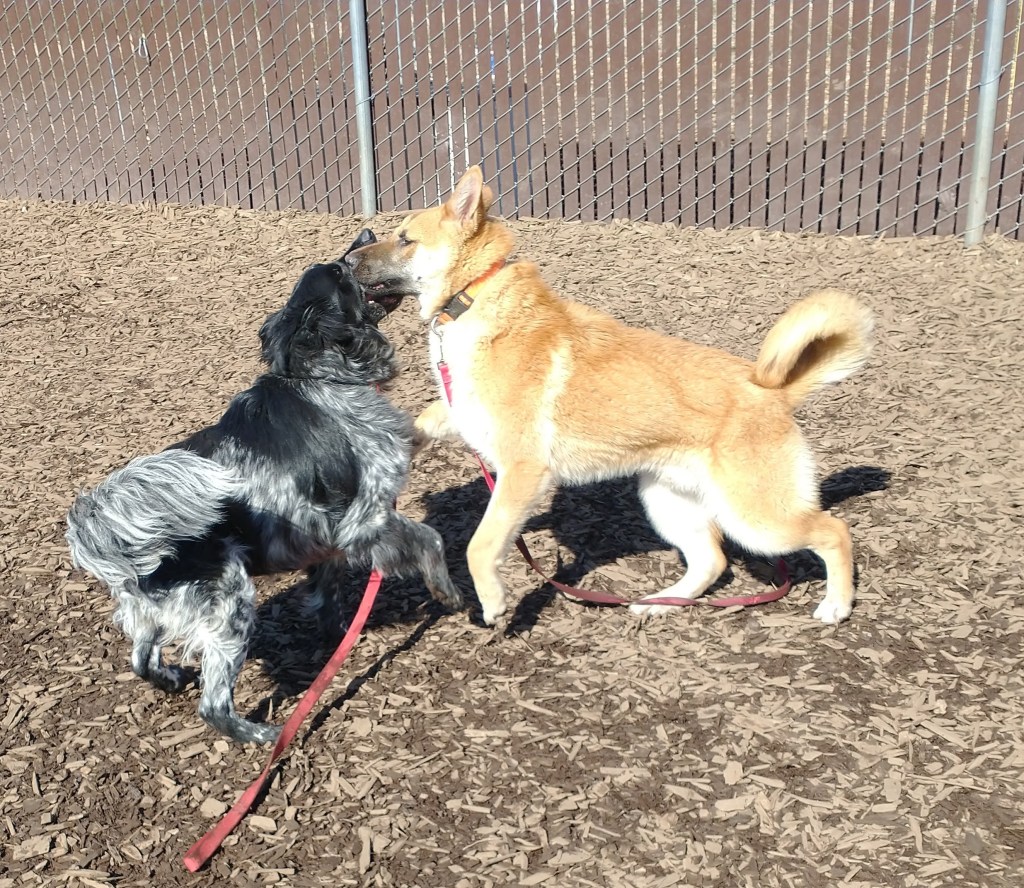
The dogs come to WHS from all different backgrounds. Often their histories are sketchy, so every dog is assessed individually before being allowed into the group. Twelve to sixteen dogs cycle through play group each day, and we have anywhere from two to eight dogs (sometimes more) in the play yard together at any one time. They tend to break into groups with friends, or other dogs who have similar play styles.

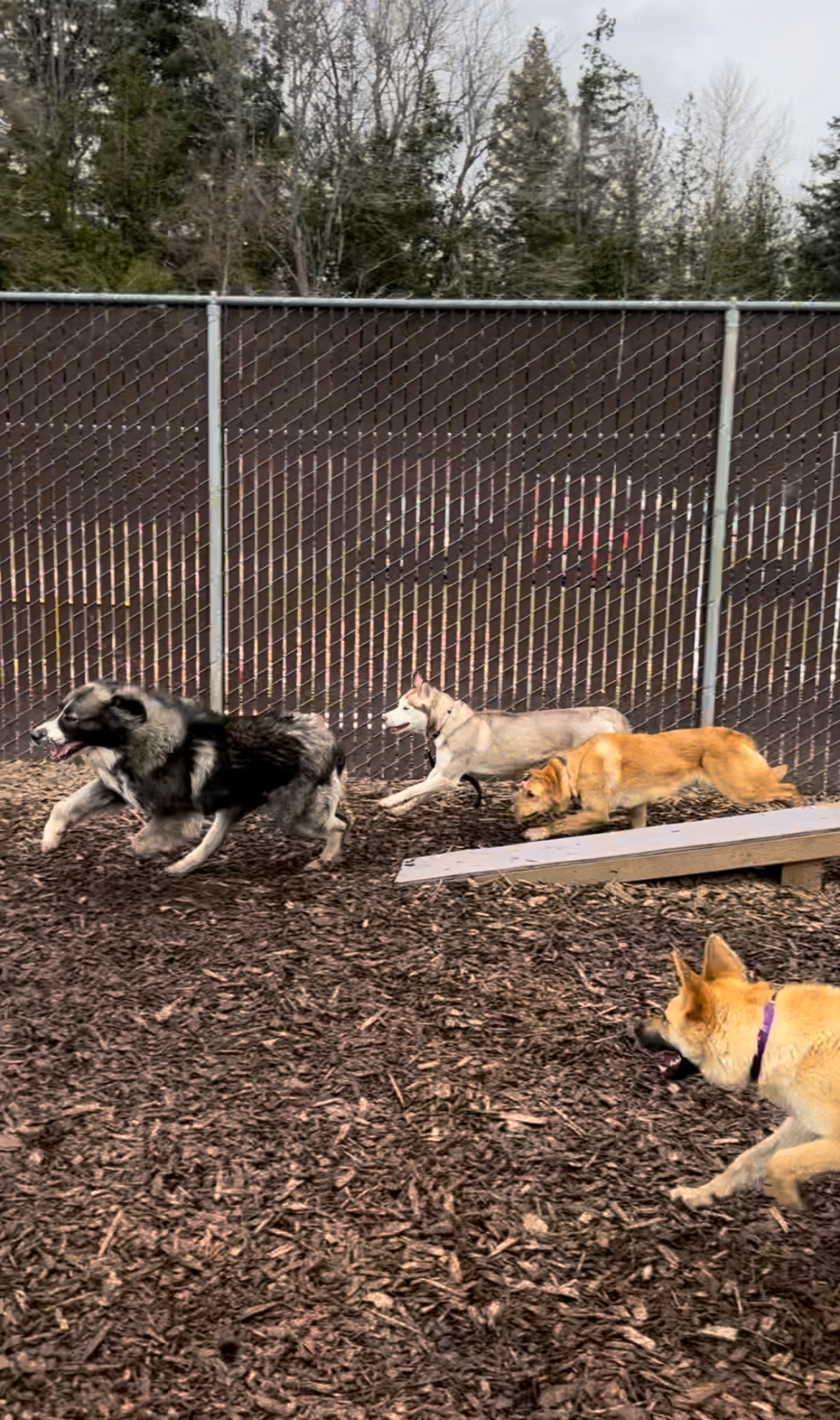
Photos courtesy of Valerie Reyes.

Below are a few things I’ve observed about dogs and their relationships. I knew many of these things in theory, but seeing them transpire on multiple occasions has given me a new appreciation for dogs, the complexity of their social structure, and their intelligence. Things that once puzzled me about Vera’s relationship with her sisters now make total sense!

  • Dogs have individual play styles that fall into categories. Dogs Playing for Life has named them Gentle and Dainty, Push and Pull (those who like to run and chase), Rough and Rowdy (dogs who like to mouth and wrestle), and Seek and Destroy (those who like to chase and take each other down.) Vera was a Seek and Destroy player, and Tessie, our collie, was a gentle and dainty girl who also liked a good game of chase. Gentle and dainty dogs never do well with dogs who engage in rough physical contact, even if they like to chase. No wonder Vera and Tessie never figured out how to play together!
  • Most dogs are selective about who they like to play with. They might enjoy being around dogs, but only want to romp with very specific individuals.
  • Some dogs can play in any play style and adapt to playing with any dog. These dogs help the handlers in our playgroups integrate new dogs into the group and we call them “helper dogs.”
  • Some dogs love puppies, others tolerate them, and others are good teachers, giving appropriate corrections for rude behaviors.

Photo courtesy of Valerie Reyes

  • Most dogs love to play, and even those who are initially worried or cautious (tucked tail, seeking out corners, cringing) often gain confidence through exposure to calm dogs in a safe environment. Some of these shy dogs even become helper dogs (they play confidently and expertly with any dog in the group) and teach less-confident dogs how to enjoy and navigate the group.
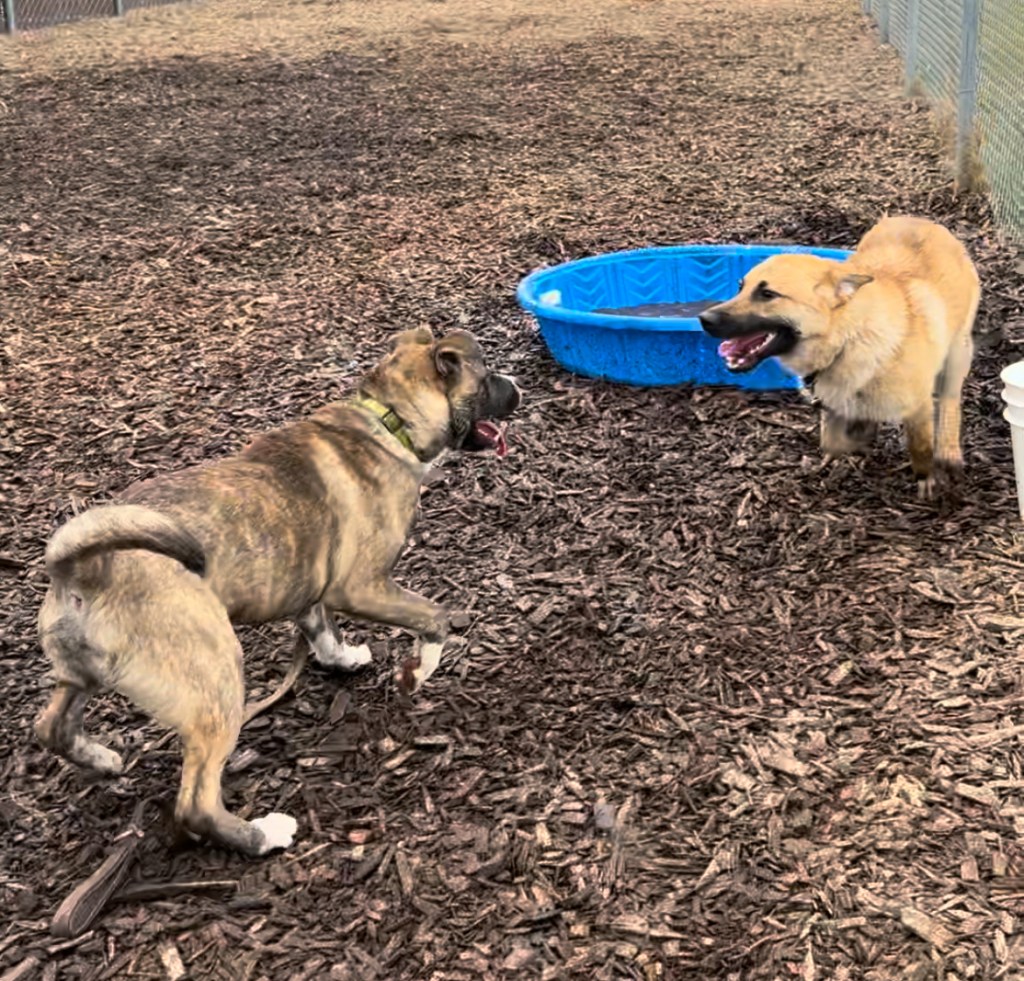
Photo courtesy of Valerie Reyes
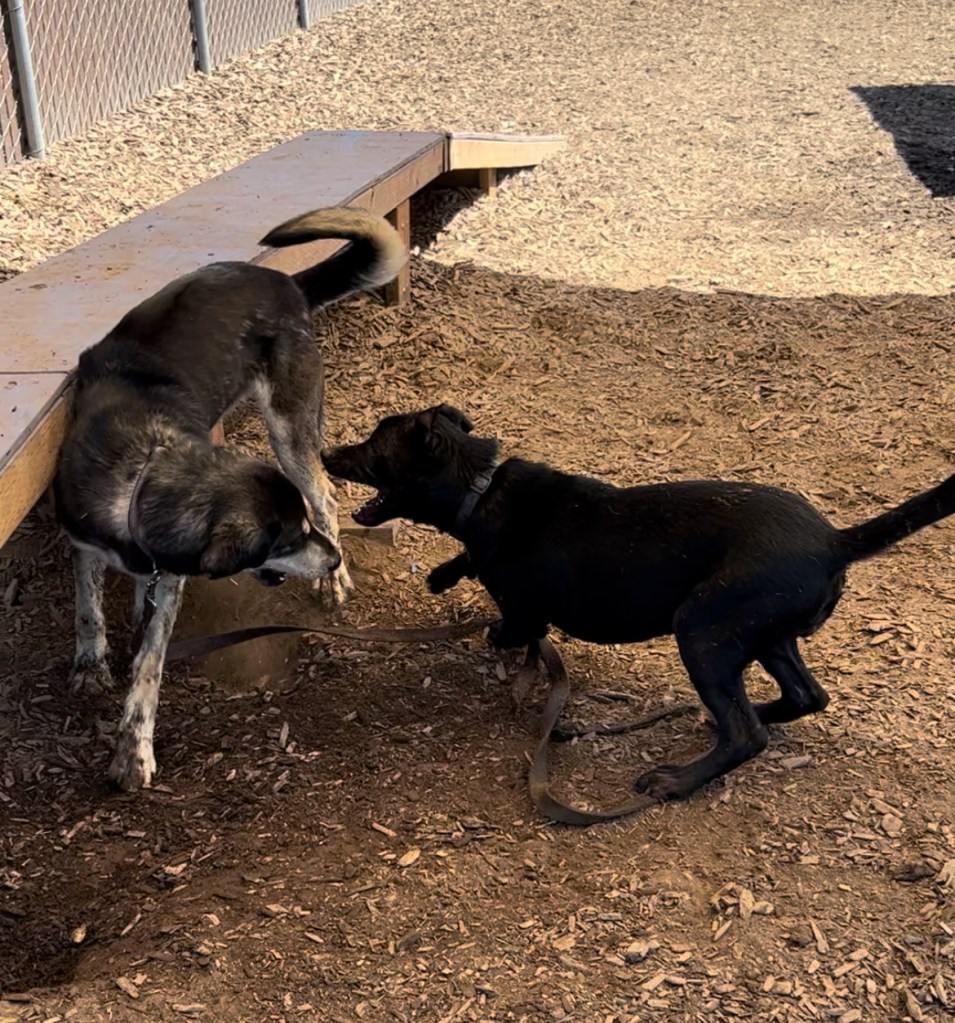
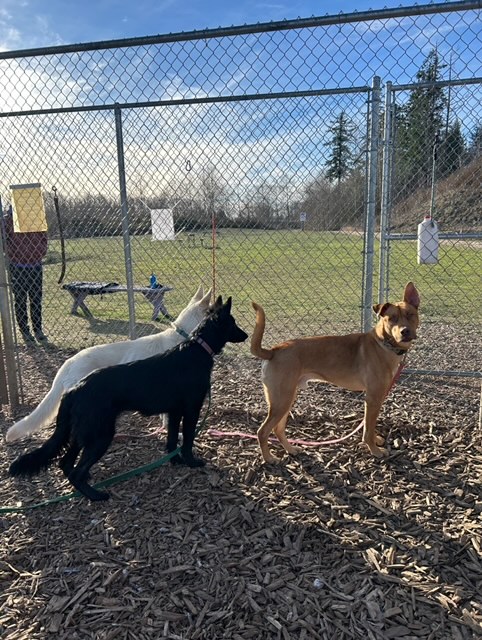
  • Barrier and leash reactivity, no matter how severe, doesn’t necessarily have any bearing on a dog’s ability to play safely. Some of our most reactive dogs (e.g Nina, the black lab in the photo) have become helper dogs, and because of their comfort around dogs off leash, we have been able to desensitize them to walking on leash among other leashed dogs.
  • Dogs quickly form close and lasting bonds and pine for their friends when they can no longer see them. This has happened multiple times at the shelter when one of a pair who met in play group got adopted or was transferred to a foster home or to another facility. Sometimes the dog who stays behind finds another best buddy, sometimes not. Koda and Zeena (pictured in the featured photo at the top of this blogpost), loved each other and were transferred to the same facility at the same time so they could be together until they found their forever homes.
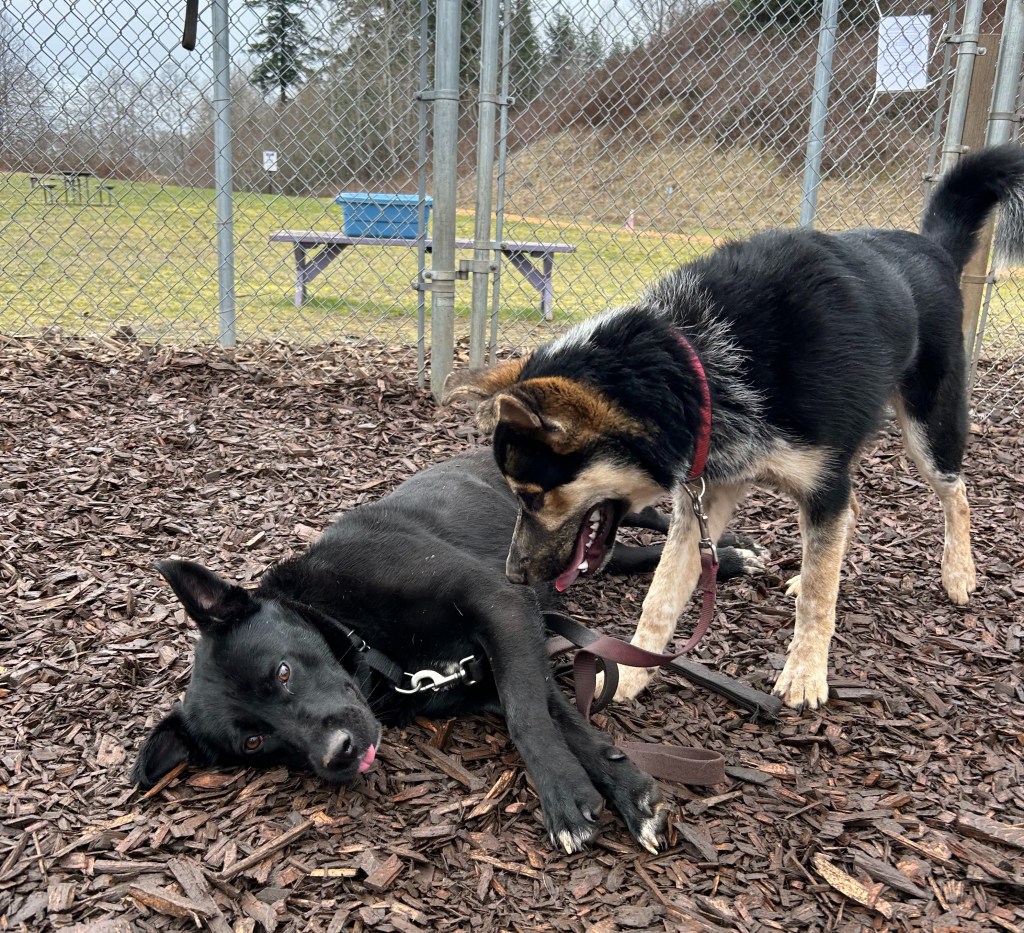
  • Some dogs get tired, grouchy, or overstimulated and make bad decisions if they play too long. Others just settle down and take a break!
  • Sometimes dogs play happily with a friend one day, and ignore each other the next–or even get into squabbles. They have good reasons, I’m sure, but it’s not always apparent to us humans.

Photo courtesy of Valerie Reyes

  • Some dogs are so intense that regardless of size, they overwhelm most dogs and send them running or cowering, or risk getting an overcorrection. However, find a dog with similar intensity, endurance, and play style, and hours of crazy, happy play can ensue.
  • Hackles up don’t mean much, just that the dog is uncertain. A stiff body, tight, flagging tail, and standing on tiptoes is much more concerning.
  • Some dogs just don’t like each other, even though they’re the opposite sex and have similar play styles. Sometimes dogs can take an instant, intense dislike to another dog, even though they’ve both had very happy, successful play times with many other dogs.
  • Some dogs are tense around dogs of the same gender but delight in the company of the opposite sex. Other dogs don’t mind either way .
  • Some dogs are afraid of humans, but great with dogs. Playgroups can build their confidence with people.
  • Some dogs are beloved by everyone, male and female, canines and humans!

There are also dogs who want no part of playing with other dogs and it’s important to honor their desire. However, for dogs who enjoy it, the social interaction, the mental challenge of negotiating so many different individuals and personalities, and the physical exercise during play is far beyond anything we humans can offer dogs in any environment. Playtime at WHS has helped our dogs to maintain their physical, emotional, and mental health through the duration of their stay at the shelter.

Photo courtesy of Valerie Reyes

As a handler for the past year, I am still on high alert during these playtimes. Occasionally, tension seems to rule the session and nothing seems to click. The dogs either don’t interact, or squabbles erupt with little warning and the dogs seem awkward and on guard. Sometimes the arousal level is so high that the pack gets overstimulated and on edge in spite of all we do as handlers to make it flow easily. This can happen for a number of reasons: the mix of dogs at the shelter; a day without playgroup; the day is windy; the shelter is extra noisy; one dog is making the group uncomfortable. But sometimes we just don’t know the reason.

Most days, playtime flows beautifully. The dogs we bring into the yard together click, and their antics have us laughing. We watch friendships unfold, observe how one dog entering or leaving the group completely alters the dynamic, or see a fearful dog be gently integrated into the group by polite, socially adept helper dogs.

With thoughtful handling (choosing play partners and groups based on friendships, play styles, and gender), conflicts are minimal. For the most part, dogs just want to have fun!

To learn more about Dog Parks and your dog, check out my blog post Dog Parks Revisited.
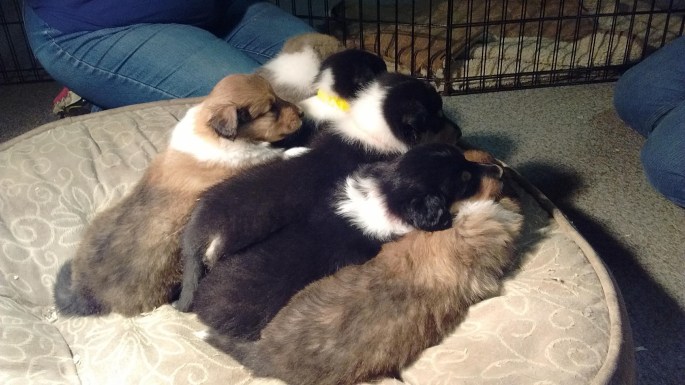
Puppies during the Pandemic

In the last few months there has been an explosion of puppy adoptions–not only on my block, but nationwide. Since a significant part of the workforce is working from home, people are using the opportunity to add a new companion to their family. There are lots of advantages to this: the whole family is at home so the puppy won’t be left alone for long periods of time, house training should be easier if everyone is able to pitch in and take the puppy out frequently, and training your puppy basic skills might be more fun and more consistent if everyone does it together.

But, there are also some disadvantages. The most critical disadvantage of having a puppy during this pandemic is the lack of ability to socialize your puppy. Socializing puppies in the first 12-16 weeks of life is essential for a well-balanced temperament. It’s very difficult for dogs to catch up later on in life, and serious behavior issues can evolve if puppies don’t get the right kind of socialization during this window period. My husband and I spent twelve years trying to rehabilitate Vera, our rescued reactive German shepherd. She was plagued by a fear of strangers and dogs which manifested in aggression throughout her life, in large part due to lack of socialization as a puppy and young dog–not an easy fix. You can read the details of this difficult undertaking in my novel, “Finding Vera”.

Vera, although a wonderful companion who strove to do everything “right”, was always fearful of and aggressive to other dogs and strangers, largely due to her lack of socialization in puppyhood.

Another disadvantage to having a puppy during the pandemic is that classes for puppies may not be up and running in your area due to COVID-19, especially with the current surge in cases. So having your puppy exposed to and interacting with small groups of puppies will be more difficult than usual, and getting expert advice on how to manage and train puppies in a class setting might be risky or impossible. If you’ve never had a puppy before, you might feel overwhelmed.

TIPS and resources for Parenting and socializing Puppies

Milo at 6 months socializing with Annie (18 months) before COVID-19.
  • Since there is a small risk that COVID-19 could be spread to pets from sick humans, the CDC currently recommends keeping dogs six feet away from strangers. There is, however, “no evidence that the virus can spread to people from the skin, fur, or hair of pets,” according to the CDC.
    • Based on this information and depending on your risk factors for COVID-19 (such as age and underlying health conditions), while wearing a mask you might choose to socialize your dog with other puppies, friendly dogs, and people at the end of a six-foot (or slightly longer) leash. (You would need to ask permission first.)
    • Always allow your puppy to approach the person, child, or dog, (not vice versa), especially if he is shy . It’s important to strive for your puppy to have only positive interactions with strangers and the environment.
    • Don’t force your puppy to approach anyone or anything he’s afraid of. Give him time and encouragement to investigate on his own, then if he’s still reticent, allow him a break before going back to try again. Trying to force him to interact with something he’s afraid of will only undermine his confidence. This includes swimming.
    • Think about scheduling outdoor play sessions with friends’ puppies and well-socialized dogs in a safe setting while still socially distancing from other pet owners, wearing masks, and having hand sanitizer available.
  • There is also a middle ground depending on where your comfort level and risk factors for COVID-19 lie.
    • If you are uncomfortable being six to ten feet away from other humans, by praising and treating your dog whenever he looks at a dog, child, adult, cat, horse etc, you can build your puppy’s confidence. By giving him a strong positive association with other people and creatures at a distance, he will stay positive and interested in them, even though he won’t be interacting directly.
Certified professional dog trainer and puppy specialist, Siw Lea, takes a moment with Annie at 16 weeks.
  • Consider hiring a certified dog trainer for private lessons outside the house rather than inside. The investment of time and money will be well worth it, and with a mask and social distancing, you should be safe from COVID-19. Working with a trainer, you’ll learn more about how to train your puppy, socialize him, what his behavior means, and how to manage him than you can possibly imagine.
  • I recommend the following two books by Ian Dunbar “Before you get your puppy” and “After you get your puppy“. Both are downloadable from these links. They will give you excellent advice on errorless house training, socialization (which will need to be modified as I described above), how to set up your house to manage your puppy more effectively, and much, much more.
Annie resting in her long-term confinement area as recommended by Ian Dunbar in “After you get your puppy”.
  • Be cautious which type of training you choose for your puppy. Over the last twenty years, science has shown that positive-rewards training (reinforcing the behaviors you want your puppy to do with treats and praise (rather than correcting him for what he does wrong), is much more effective. Training by rewarding your puppy for doing the right thing and redirecting or preventing unwanted behaviors is not permissive, but strengthens the life-long bond you will have with your puppy. Watch for my next blog explaining this type of training in more detail.
  • Safe and effective ways to keep puppies from biting” is an excellent article on teaching bite inhibition (how puppies learn to control their bite).
  • Other puppy resources you will find helpful:
  • Remember that puppyhood, while challenging, lasts a relatively short period of time. Puppies need lots of attention, guidance, and training for the first two years of their lives, but if you put in the time and effort, you’ll have a wonderful, well-behaved companion. While dogs often need gentle reminders of our expectations throughout their lives, they will do very well after the first two years.
  • Enjoy your puppy!
  • I’ll republish two short stories I wrote a couple of years ago about our first experience with puppies, long before I was a dog trainer. These crazy puppies are long gone now, but they taught me a lot and spurred me on to become a dog trainer. They were well-loved until they died of old age many years ago.

“My dog is driving me crazy!”

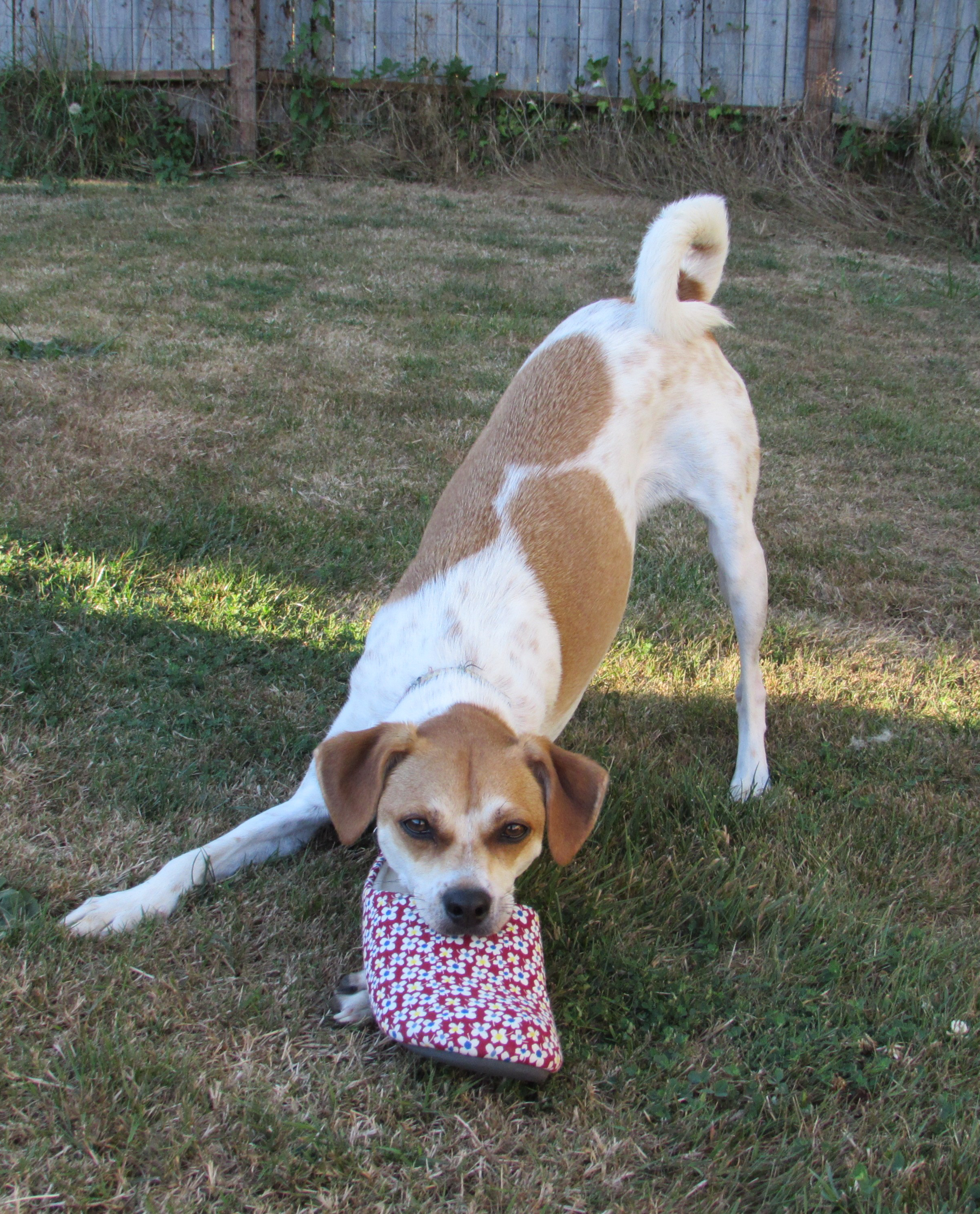
I have certainly had this thought more than once, be it based on our well-trained, well-socialized golden retrievers or collies, or our wild-child German shepherd rescue, Vera.  The thing is, dogs are a different species from us. They perceive the world based on senses far more acute than ours, and respond to genetic impulses that are ingrained in their DNA and their beings–to chase, to sniff, to guard, to herd are a few we are all familiar with. They have different ways of coping with the stressors of daily life–loneliness, boredom, overstimulation, fear, frustration. They find pleasure in behaviors we label destructive. When we  are unhappy or stressed, we might chew our fingernails or call a friend to vent. Our dogs, however, may lick  their wrists until they bleed, relieve themselves on the living-room carpet, jump on us and tear our clothes with their teeth or claws in desperation–or execute any one of a multitude of other behaviors we don’t understand.  Dogs can also garner great satisfaction from barking, digging, dissecting toys and beds, jumping up to greet us, scratching holes in the carpet, playing “keep away” with our favorite shoes, or eating excrement–things that make us tear out our hair.
Ceddie with slipper
My godson, Ceddie, plays keep-away with slipper. Photo by Motoko Lewis
When we make the commitment to live with a dog, we need to understand on a very deep level that dogs are not TRYING to drive us crazy.  They don’t scheme to make us angry.  There is always a reason that they act the way they do. Dogs are much more than furry balls of behavior. They are thoughtful, aware, emotional beings who go through life trying to cope in the best way possible with a very complex environment. And they are dependent on humans,  a species far different from themselves–a species that might stare at them, reach out to them, scream or shout, or approach them directly–all things that are simple human behaviors but at odds with polite canine social interaction. It can sometimes get to be a bit much for even the best of dogs! That said, even though I understand all this, even though I’m quite fluent in canine body language and have a good grasp on canine behavior, my dogs can still, at times, drive me crazy! They may be acting out just because it feels good and is therefore self-rewarding. Or they may want to play with me as I’ve ignored them for the past hour or have been gone all day–and still don’t want to interact with them, not just yet. They may be frustrated, or need to go out. They may be responding to the dog barking down the street or the chronic, irritating, or scary sounds of construction next door. Or they may just be anxious because my behavior is unusual as I pack to go on a trip. They are always trying, just as we are, to get the things they need and want, to understand and have some control in their environment, and to communicate with us in the best way possible. It is up to us as their closest companions to figure out what is going on.

How do I make him stop?

The premise that drives all the behavior training I do is this: I analyze the situation carefully to figure out what is causing the dog to behave the way he does, and then manipulate the environment or change the dog’s focus or position in a way that will make the behavior, even the earliest evidence of the behavior, stop–before it happens. This can take a lot of mental energy and creativity on the part of the trainer, but if a plan is well thought out and applied consistently, this will solve, or at least significantly improve the problem. The complexity and effectiveness of the plan and the time it takes to actually change the behavior depends on the behavior in question, the genetics and background of the dog, and the consistency of training. This is where hiring a talented, skilled, experienced trainer comes in–someone who can help you to figure out what is causing the problem and work out effective steps to modify it.
Ceddie pulls Dob-dob's tail
Ceddie harasses his older sister, Dob-dob. Photo by Eric Lewis. Rarely, it will be a quick fix as it was with Annie tearing up her sister’s bed (see below), but it may take months or longer to change as with reactivity. In all cases, though, it is a compromise between the dog and the human, paying close attention to the needs and limitations of what’s fair to the dog and acceptable to the human. Remember, the dog is an individual too, and he comes with some very strong, hard-wired instincts.

Training Tips and examples of how to apply this concept:

Annie looking down meadow
We chose to buy a cover for our new couch for Annie after Vera died. She is much easier on the furniture.
Example: getting on the couch: Vera, our German shepherd, loved to jump on the couch to look out at the meadow behind our house. She eventually shredded the back of the couch with her long nails, and we replaced it with a new, more expensive couch. But how could we change this highly rewarding behavior and keep her off it? Although it was emotionally hard to to deprive her of her beloved perch, we blocked her access to it with ex-pens and baby gates for six months so that she NEVER had the opportunity to jump up. When the six months were up, we removed the barriers, only when we were there to watch her. She  tried to get up on the couch once the first day. We firmly ordered her to stop just as she approached it, then enthusiastically rewarded her with treats and praise when she backed off. After that she never tried it again, even when there were deer in the meadow. Training Tip: Behaviors that are intermittently reinforced will be much harder to break than those that are consistently reinforced. So by ALWAYS allowing Vera up on the couch for the first few years we had her, then NEVER letting her up on the new couch, the outcome was much more successful than if we had let her up on the couch sometimes and not at other times throughout the process–both before and after we made the change.
Example of a more complicated problem–dog barking non-stop in car:  The barking started the moment one of my clients picked up the car keys, and it continued until they arrived at their destination, sometimes hours later. I had the
dog car rabies
Dog unhappy about being in car.
couple start by randomly picking up the car keys.  As soon as the man touched the keys, his wife would feed the dog a number of high-value treats and vice versa until the dog relaxed and looked at his person with expectation when the keys were touched, then picked up, then held.  I had them continue this desensitization procedure, step-by-step, until the dog could jump quietly into the car for a few seconds, eat one treat after another, and then jump out again without uttering a sound.Next, I had them sit in the car with him, and feed and stroke and praise him. When he was relaxed with that, I had them drive the length of the driveway and back. Eventually, they were able to drive with a quiet, happy dog.  Done slowly and correctly, the dog never barks throughout this type of training.  It took about eight weeks for this particular dog to become comfortable with short car rides. The dog could not go out in the car (unless he was being trained) for the entire program of desensitization, or the process would not have worked. You would not want to compromise your hard work by taking your dog to a distasteful destination such as the vet or groomers until he felt rock-solid in the car and had had many, many positive experiences. As you can see, the process was complicated and had many steps.  This is where the support and expertise of a good trainer can help tremendously.
  • Training Tip: When desensitizing a dog to something they find scary, they must not be exposed to the trigger without careful planning, or their progress will be set back. This can take a lot of mental effort on the trainer’s part.  It takes a long time to change a dog’s emotional response to things that scare him. Obedience training can help to give him skills that can be used during desensitization, but they don’t work on the dog’s emotional response to the things that scare him. If you have a reactive dog, hire a trainer to help you.Annie in V's crate
  • Example–destroying a dog bed: When Annie went into her sister’s crate and tore up Vera’s foam bed, we decided to close the crate door and prevent Annie from accessing the bed–except that then Vera didn’t have access to her sacred space. We also kept leaving the kennel door open accidentally, thereby intermittently reinforcing Annie by sometimes allowing her to tear up the foam, and sometimes not. It was an easy fix in the end. By wrapping the foam in a sheet, the texture of the bed was changed enough that Annie left it alone and lost interest in V’s crate. It would not have been this easy for all puppies. We never gave Annie this type of bed. Vera was very particular in what beds she’d accept, and foam with a mat on top was what she wanted. Period.
  • Training tip: Dogs barking outside: Dogs can bark outside in response to many things.  Read Turid Ruggas’s book “Barking, the Sound of a Language” to help you decide the type of bark your dog is using.
    • Your dog might want to come inside.  Honor this request.  If you’d rather he didn’t bark to ask to come in, teach him to sit (http://www.youtube.com/watch?v=hH4NcodzEAo), and reward him by opening the door for him. If you choose to have him sit, you need to understand that unless there’s a window in the door and you’re actually in the room, you won’t know when he’s asking to come in unless he makes a noise. Be fair.  It’s all about communication.
    • He may be bored. Ask yourself if he’s been exercised that day–and how much. Has he had any quality time with you? Is there anything for him to do out there by himself.
      animal dog pet dangerous
      Over aroused dog, barking.
    • Dogs shouldn’t be left outside unattended any time–especially while you’re at work. They can feel vulnerable, exposed, over-stimulated by traffic, pedestrians, or dogs in the neighborhood, or bored. They may find it hard to relax and sleep. Being inside in a safe place with lots of chew toys to enjoy after a good morning walk will help them to have a quiet day.
    • Are his physical needs being met? He may need water or shade or he may be cold. Listen to what he’s telling you.
    • He may be talking to the other dogs in the neighborhood. If you want him to stop barking, bring him inside.
    • Remember, barking dogs are hard on the neighbors, especially at night and can cause major conflicts.  Barking for prolonged periods may be against the law in your area.
    • Bark shock collars are not a fair option for dogs. They shut down normal, healthy communication and leave your dog feeling helpless. Your dog’s barking may be replaced by a worse behavior that’s more difficult to change and more destructive than what you’re already dealing with.
  • There are hundreds of behaviors that dogs can exhibit triggered by different situations and emotions. If you have any that you’d like me to discuss, please contact me and I’ll try to address it on my blog.
blog

Dog parks vs off-leash trails

Since before we lost Vera (of Finding Vera), I have tormented myself with the safety of our “next dog”.  Annie is our “next dog”. I know too much now to be complacent and trusting of dogs, or the decisions of their people.  On the other hand, I’ve asked myself if one should limit the experience of a child or dog because of parental fears–I’m sure parents struggle with this question worldwide.

img_20180812_133427907_hdr-e1535413818998.jpg
Finally allowed to run off leash!

I’ve also asked myself how dog parks are different from off-leash trails. After all, in both situations the dogs are free to do more or less what they please.  And in both situations, dogs need to be well-socialized to be comfortable and successful.

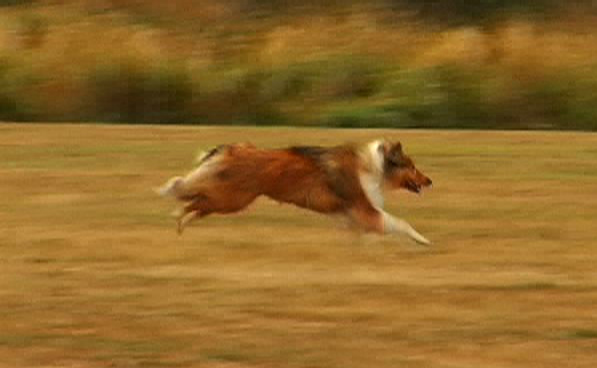
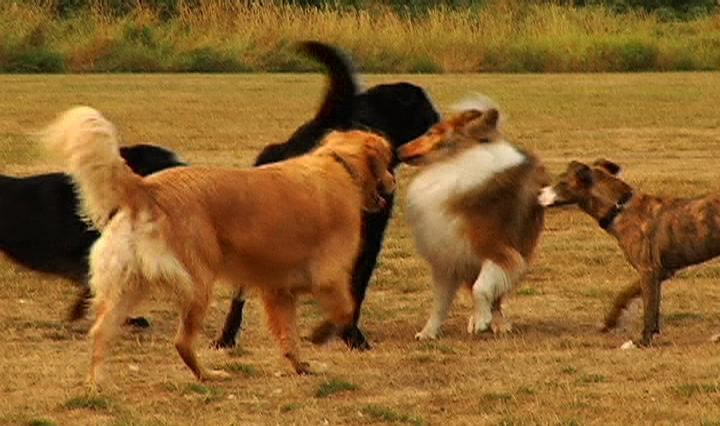
I am cagey of dog parks for the reasons cited in my last blog, “Dog Parks? Why not?” However, for the past seven years I’ve literally itched to have a dog who could run like the wind on the expansive field of the Sudden Valley dog park, cavorting with her friends, laughing, dancing, doing all the things that dogs do. So we took Annie there– twice–and Don took videos. Annie had a blast!

Annie having the time of her life at the dog park.
Annie having the time of her life with her friends.

However, I’ve spoken to two separate neighbors whose dogs have had bad dog-park experiences within the past week. I’ve read my “Dog Parks” post over a time or two, and now I ponder the wisdom of taking Annie there again. I don’t want her to get physically hurt…or become fearful of dogs.  After our experience with Vera, that would be devastating.

Annie on trail
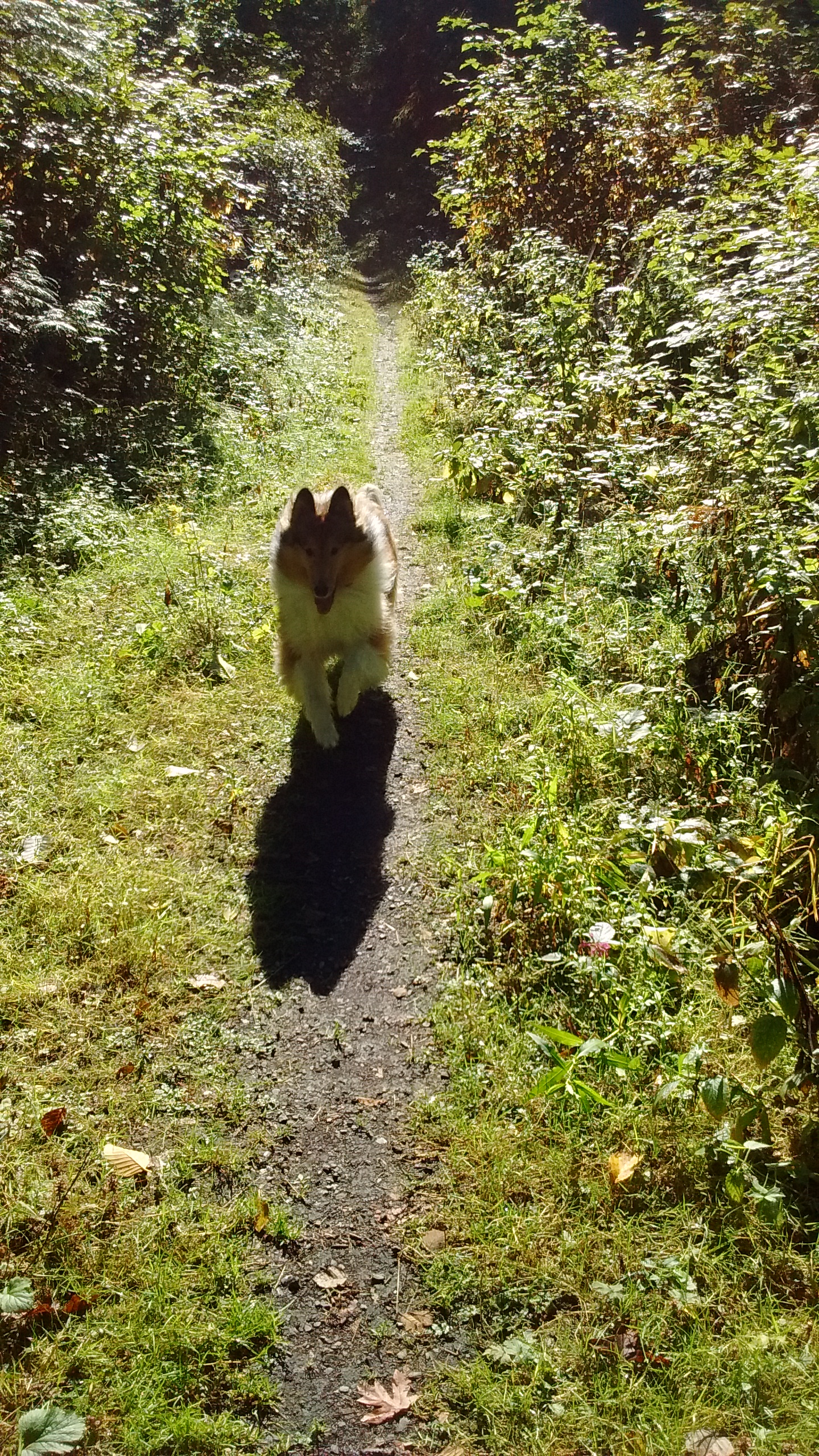
Annie practicing recall.

There are good and bad things about off-leash trails.  Unlike the dog park, you can’t always see who’s approaching, and there’s no guarantee that the approaching dogs will be friendly. The direct face-to-face greeting is a potential problem for dogs if the trail is narrow. However, the good thing about trails is that the dogs are not crowded together for an extensive period of time.  They can choose to interact–or not. Our goldens, Lola and Sascha, would choose to just arc around the dogs they’d approach on a trail and continue on. But even if the dogs choose to play, it is often only a group of two to three dogs playing for a very short period and they move on before they tire of the social interaction, or become physically exhausted from the intense activity of play.  Watching Annie play at the dog park, I noticed that she started to tire toward the end of the session, and began to get irritable.  This doesn’t seem to happen on trails.

So which scenario is best?

It depends on the culture of the dog park or the culture of the trail, your dog’s temperament and level of socialization, your mood that day, your dog’s mood that day, and who is at the dog park at any given moment. In other words, there is no “right” answer.

Training tips to help keep your dog safe:

  • Read “Dog Parks? Why not?”  There are several tips at the bottom of the blog on how to navigate dog parks more safely with a well-socialized dog, and there are tips throughout the article on how to tell if your dog is appropriate for the dog park–or not.
  • Learn canine body language so you can evaluate the approaching dog. Are the dogs exchanging calming signals? Are they relaxed? Are they approaching each other at an angle? Being polite? Rapid, direct approaches with direct eye contact is considered by dogs to be rude and confrontational.
  • Only walk dogs off leash on trails that are designated “off leash”.
  • On-leash trails are fair game to dogs who may not care for other dogs and, being hampered by a leash, these dogs will often be reactive, or at least very intimidated by your dog. There is nothing more terrifying for the handler of a leashed, fearful dog than to be approached by a loose, friendly dog. A fight could ensue where your dog gets hurt.  Also, many people don’t like being jumped upon or even sniffed by strange dogs. I’m a “dog person” through and through, and even I dislike being jumped on by exuberant dogs.
  • Approach each walk as a training walk. If your dog is clicker trained, use the clicker. Treat your dog every time your dog looks back at you, waits for you, or returns to you. Use high value treats (chicken, steak, apple etc–whatever your dog LOVES), but put treats away when you encounter another dog.
Annie check back
Annie checks back with me on the trail.  I would praise (or click) and treat her.

Praise both dogs for appropriate dog encounters calmly, tell them what good dogs they are. Have an excellent recall (“come”)–even when a dog is approaching or there are deer or wildlife near by.  Practice every walk, rewarding with HIGH value treats when they come to you. NEVER correct your dog for “eventually” coming to you, no matter how frustrated you are.  It just means your dog isn’t ready to be off leash yet and your recall needs more work in distracting environments. For the best recall ever, check out “Recallers” by Susan Garrett. Teach your dog to sit behind you on cue, so you can protect your dog from any strange dog you don’t trust. Practice it at home with few distractions, then on the street, then on trails and in more stimulating settings. Reward your dog for doing this correctly. If you’re unfamiliar with a trail, be cautious. Keep your dog close (the further away your dog is, the less likely he is to respond to you), or leashed. Always do your very best to keep your dog safe.